How Content Marketing Fuels SEO Success and Sales Growth
How Content Marketing Fuels SEO Success and Sales Growth
Ever since marketing has found its way into businesses, content has been an integral part of it. Content marketing is the latest evolution of the same process, but at a much larger scale. When done right, content marketing establishes long-term digital assets and visibility that perform with little maintenance.
We go now into more depth on how content marketing can positively impact your business through SEO and other platforms.
The Impact of Content Marketing on SEO Performance
1. Improving Search Rankings
To get the most business, a business has to rank at the top of related searches. The best way to get your business to rank higher than your competitors is through content.
Specifically, creating quality content focused on the right keywords can improve relevancy signals on searches. Having the right pages on your website improves your website depth and crawlability.
Audience engagement is an important part of search rankings, and the right content will keep them on your website. It increases dwell time and reduces bounce rates, both of which are integral when you want to rank in the top three.
Last but not least, content marketing also builds industry authority, a key part of competing against entrenched businesses.
2. Capturing High-Intent Keywords
A vital part of SEO performance is choosing the right keywords. But just that is not enough; you need to market those keywords to your audience.
The best vehicle to carry those keywords is content. Users relying on high-intent keywords have the maximum chances of conversion. These high-intent keywords should be used in content to signal to search engines that your website is relevant.
Content can leverage long-tail keywords by ensuring that it appears naturally in text-based content like blogs and landing pages. Content marketing can address the user at different stages of their buyer journey. Content can also be used to educate existing customers on their products.
3. Building Industry Authority
In the world of marketing, there are some aspects that just cannot be bought. One such thing is industry authority because it builds over time. Content marketing can be used to address core industry concerns and suggest solutions or create discussions around a specific topic.
Creating a well-researched content piece demonstrates your expertise by helping users understand the nuances of the industry. It acts like a signal to your credibility and makes getting links from authoritative sources easier.
4. Gaining Organic Traffic
Organic traffic is a vital part of the SEO process because it builds over time and costs nothing in maintenance. The best platforms to build organic traffic on are high-quality long-form content assets. Every website should have a set of 'pillar' pages that have vital industry-related information and are regularly updated.
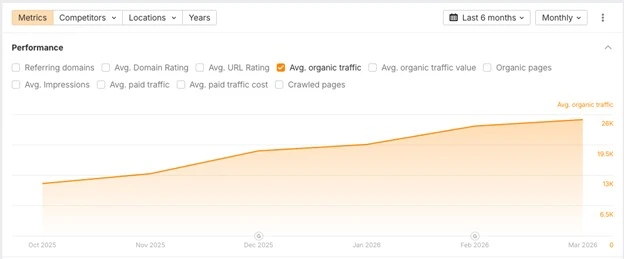
Doing this can create an 'evergreen' content asset that compounds traffic growth over time and attracts new audiences without having to spend on paid ads. Content can help your business reach unexplored demographics.
Even with low ad budgets, with content, you can keep brand visibility high and generate inbound traffic.
5. Creating a Powerful Backlink Profile
Backlinks are important when it comes to ranking websites higher than the competition, and for good reason. When a website has backlinks from other high-authority websites, it is a positive signal to search engines.
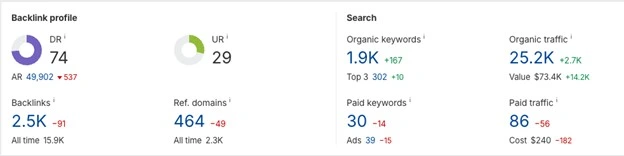
Content marketing helps this backlinking process by helping you get natural links to your website.
Content assets are one of the most viable reasons why another high-authority website would link to a smaller website. High-quality content assets can also attract citations from industry publications, news websites, and journalists. All of these can give your business website a huge boost.
6. Increasing Audience Dwell Time and Retention
Long-form content and short copy can keep audiences on your page like nothing else. It encourages users to experience your website to stay on that much longer. Structured and actionable content promotes website engagement and also word-of-mouth referrals, which can have a huge impact on your website metrics.
Useful and intent-matched content can also reduce bounce rates and encourage sharing with their peers. Ensure that your content is in-depth and easily accessible by a majority of your target demographic.
Adding guides and instructional content is a great way to improve organic traffic overall. All these factors can lead to high engagement with the average users, signaling to search engines that your website deserves to be ranked high.
6 Ways Content Marketing Will Help to Increase Sales
1. Shortening Sales Cycle Through Education
One of the major areas in marketing where businesses lose money is potential customers lingering too long in the sales cycle. Content assets can help shorten the sales cycle and improve the closure rate of a business. Ensure that you have content that answers common buyer queries and issues upfront on your website.
Include clear descriptions about your products and touch on common pain points it solves for people buying it.
Useful content reduces the friction users experience before they make a decision. Content marketing can also pre-qualify leads into different segments so businesses can create a buyer experience tailored to their specific needs.
2. Building Trust and Authority
An indispensable part of marketing has always been to gain the trust of users and industry peers alike. To this date, there is nothing more powerful than content marketing to get this done.
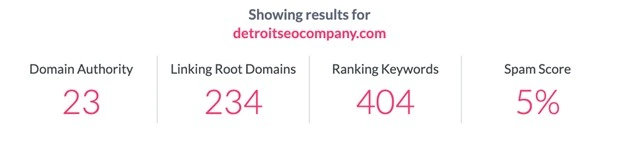
Creating high-quality content can help you leverage your position as an authority in the industry. With the right type of content, your business will be a voice that people rely on to make a purchase decision.
Focus on creating evidence-based content like case studies and industry insights specific to your niche. Spend time creating assets that can be shared.
PDFs and infographics are information-dense yet easy to share, which makes them vital for content marketing. Ensure to keep information as transparent as possible to achieve authenticity.
3. Clarifying Product/Service Details
The goal of content marketing is to educate and guide potential buyers by removing confusion and giving them reliable information.
Wherever you have a product you're pitching to a user, ensure that it has all the details they need to make a purchase. This can include detailed specifications and other information that they require.
Ensure you use content to compare and highlight differentiators clearly. The ideal solution would be to design a tool that can help them compare products with others on the website. Focus on how your product addresses their pain points and makes life easier.
4. Drawing Highly Qualified Leads
Quality leads are the lifeblood of any marketing process. To ensure that your business has a constant supply of leads, content is the best option. Well-crafted content can help your business attract users who are looking for specific solutions to their problems. It can help filter out traffic that is unrelated or low-intent.
The advantage of using content is that you can leverage it to get contact information from users. Use gated assets like resource-heavy PDFs or industry-related insights to encourage them to share their email.
Creating different customized pages based on buyer personas is a great idea to convert leads who are on the fence about your brand.
5. Creating Conversion-Focused Assets
Conversions are one of the more vital metrics about how well a marketing funnel is performing. Content is one of the biggest factors when it comes to converting a user browsing on your website into a customer.
The goal is to ensure that they have all the tools they need to make an effective purchase decision. Creating landing pages for different customer demographics is a great first step.
Ensure that your website has CTAs throughout with striking colors that draw user attention to them. Wherever possible, use evidence-based content to ensure complete transparency to your users. Case studies and insights also help them support their decision-making process.
6. Engaging and Retargeting Audience
Like we've said before, engagement is the key to getting high scores on your SEO profile. But focusing only on one part of your user journey will not get the results that you were looking for. Instead, content can help you keep potential customers engaged over multiple touchpoints.
Retargeting is a mechanism by which users who have lost interest in different parts of the journey can be engaged again. This could be through multiple content platforms like emails, messages, and more. It helps increase lead generation and improve brand recall.
Content Marketing for SEO & Sales - FAQs
1. How Quickly Will Content Marketing Show Results?
Content marketing will take anywhere from 3 to 6 months to show results. A lot of it depends on the kind of niche and competition you are facing. It could be even quicker in conjunction with other SEO practices like PPC marketing.
2. Is Content Marketing Directly Proportional to Sales?
Content marketing cannot be equated directly to sales. The success of the content marketing campaign depends on several factors, not just the volume. Ensure that the content is aligned with buyer intent to maximize revenue and improve positive outcomes.
3. What Type of Content Should I Focus On?
While it does depend on the kind of industry you are in, solution-oriented blog posts and landing pages with high-intent queries are a great place to invest your time in. Case studies and comparison guides highlighting product aspects are a vital part of the content generation process.
4. How Can I Compare Paid Ads to Content Marketing?
Paid ads deliver immediate visibility once you pay the bill. Content is more of a slow burn for getting leads. But content offers something that paid marketing can never achieve - long-term, compounding organic SEO strength. The best possible strategy includes both of them to ensure balanced growth.
Key Takeaways
● Plan and create high-quality content assets, ensuring they are keyword-aligned for the best results.
● Target high-intent search queries through content to connect with buyers.
● Build industry authority and topical relevance through regular posting of niche-related content.
● Focus on creating a framework of educational content to speak to new and existing users.
● Build your backlink profile by working on content that appeals to a niche audience rather than being generic.